Chest Exercise · Body Weight

Incline Scapula Push Up
Also known as: Incline Scapula Pushup
- Category
- Chest
- Equipment
- Body Weight
- Target
- Serratus Anterior
Biomechanical cues verified by the PlanWorkouts Science Review Board under CSCS editorial oversight; see our editorial standards.
The Incline Scapula Push Up is a compound chest movement designed to train the Serratus Anterior with direct engagement of the Shoulders.
Transverse plane horizontal adduction of the shoulder combined with elbow extension. Peak mechanical stretch occurs when pectorals are fully lengthened at chest level. Scapular retraction is vital for shoulder joint safety. Executing this with strict form maximizes muscle fiber recruitment while protecting joint structures.
Quick Exercise Facts
Target Muscle Activation
A scapular push-up isn't really a pushing exercise at all — the elbows stay locked and the movement comes entirely from the shoulder blades protracting and retracting, training the serratus anterior that most pressing exercises only work indirectly. It's a common prehab and shoulder-health drill rather than a strength builder.
How to Do the Incline Scapula Push Up
- Adjust an incline bench to a 45-degree angle.
- Place your hands on the bench just wider than shoulder width.
- Set your feet on the floor at hip width.
- Lower your chest toward the bench, keeping your elbows tucked close.
- As you descend, draw your shoulder blades together, squeezing them behind you.
- Push through your palms to straighten your arms and return to the start.
- Execute the desired number of reps with smooth cadence and consistent focus on the serratus anterior.
Recommended Sets & Reps by Training Goal
70–80% 1RM · 90–120s rest
85%+ 1RM · 2–3 min rest (Calc 1RM)
50–60% 1RM · 45–60s rest
Biomechanical & Joint Load Cues
Transverse plane horizontal adduction of the shoulder combined with elbow extension. Peak mechanical stretch occurs when pectorals are fully lengthened at chest level. Scapular retraction is vital for shoulder joint safety.
Common Mechanical Mistakes & Form Errors to Avoid
- Excessive Elbow Flare (90°): Flaring the upper arms directly perpendicular to the torso pinches the supraspinatus tendon against the acromion. Tuck elbows to roughly 45–70 degrees.
- Loss of Scapular Retraction: Allowing shoulder blades to slide forward off the bench shifts mechanical tension off the pectorals onto the delicate anterior deltoids.
- Bouncing Off the Sternum: Using ribcage recoil to bounce the load bypasses the critical bottom turnaround stretch where muscle protein signaling is highest.
Proper Breathing Patterns & Core Engagement
Inhale deeply during the lowering (eccentric) phase while pinning shoulders back. Exhale forcefully through the concentric pressing phase past the friction zone.
Add the Incline Scapula Push Up to Your Custom Workout Routine
Build a personalized, science-backed workout plan matching your training goals, equipment access, and schedule.
Injury Modification & Joint Safety
Lifters with anterior shoulder impingement or AC joint inflammation should restrict elbow flare to 45–60 degrees or substitute with neutral-grip dumbbell presses. If joint irritation persists, immediately stop and substitute this movement with another exercise from the Chest exercises category.
Muscles Worked
The Incline Scapula Push Up primarily targets the Serratus Anterior, with Triceps as the primary synergist muscle group, along with the Shoulders.
More Chest Exercises
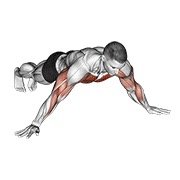 Archer Push Up
 Assisted Chest Dip (kneeling)
 Assisted Seated Pectoralis Major Stretch With Stability Ball
 Assisted Wide-Grip Chest Dip (kneeling)
 Band Bench Press
 Band One Arm Twisting Chest Press
More Serratus Anterior Exercises
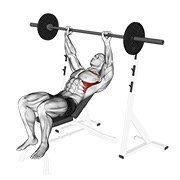 Barbell Incline Shoulder Raise
 Dumbbell Incline Shoulder Raise
 Scapula Push-Up
 Smith Incline Shoulder Raises
Equipment Alternatives
Don't have body weight? These target the same serratus anterior with different equipment.
FAQ
- What muscles does the Incline Scapula Push Up work?
- The Incline Scapula Push Up primarily targets the serratus anterior as the primary agonist. Synergist assistance is provided by the triceps along with the shoulders. Maintaining strict biomechanical alignment ensures maximal tension remains focused on the intended muscle fibers rather than shifting to surrounding stabilizer joints.
- What equipment do I need for the Incline Scapula Push Up?
- The Incline Scapula Push Up is performed using no equipment — just body weight. Ensure all equipment is securely positioned with collars or safety pins locked before loading working sets. If you train in a home gym or minimal setup, explore our equipment-free and resistance band alternatives below.
- What is the most common form mistake on the Incline Scapula Push Up?
- The most frequent error is excessive elbow flare (90°): Flaring the upper arms directly perpendicular to the torso pinches the supraspinatus tendon against the acromion. Tuck elbows to roughly 45–70 degrees.. Controlling the 2 to 3-second eccentric lowering phase ensures maximal hypertrophic stimulus while shielding connective tissue.
- How many sets and reps should I perform on the Incline Scapula Push Up?
- For muscle hypertrophy and size, aim for 3 to 4 working sets of 8 to 12 repetitions at 70% to 80% of your 1RM with 90 to 120 seconds rest. For absolute strength development, prioritize 4 to 5 sets of 3 to 6 heavier reps with 2 to 3 minutes rest.
- What's a good alternative to the Incline Scapula Push Up?
- If you don't have access to the space or setup it needs, the Barbell Incline Shoulder Raise targets the same serratus anterior using barbell instead. This alternative replicates the same joint angle and movement plane while allowing you to train effectively with different available gear. You can also substitute it seamlessly in our free Workout Plan Builder.